

At a summer camp kitchen, a volunteer pulls raw chicken and a bin of prepped salad out of the same cooler bag. The next two minutes of handling decide whether 30 kids eat lunch safely or become part of the roughly 48 million foodborne illness cases the CDC tracks every year. One sealed container, one shelf, one simple rule applied across thousands of kitchens would cut that number drastically.
Food safety is not something that happens once. It's a set of decisions you make every time you touch food, every time you open the fridge, every time you label a leftover. Build these habits now and you protect not just your family, but anyone eating from your kitchen. We work with summer camps, WIC programs, shelters, and families to show that safe food storage and handling are skills you can master in a single session.
What are the 4 C's of kitchen safety?
The FDA's Four Steps to Food Safety form the backbone of every safe kitchen: Clean, Separate, Cook, and Chill. Each step is a decision rule, not a suggestion. Follow them in order and you eliminate the conditions that allow harmful bacteria to grow. Skip one and your whole chain breaks.
- Clean: Wash your hands with soap and water for 20 seconds before and after handling food. Sanitize countertops and cutting boards with a dilute bleach solution (one teaspoon per gallon of water) immediately after raw-food prep.
- Separate: Use a dedicated cutting board and plate for raw meat, poultry, and seafood. Store them in a sealed container on the bottom shelf of your fridge so drips cannot reach other food. This is the single most effective step for preventing cross-contamination.
- Cook: Use a food thermometer to verify safe internal temperature. Chicken and poultry must reach 165°F, ground meat 160°F, and fish 145°F. Do not guess by color or texture.
- Chill: Refrigerate leftovers within 2 hours (or 1 hour if the room is above 90°F). Cool large batches in shallow containers so they reach 40°F fast instead of staying warm in the center for hours.
When we deliver hands-on training in preventing cross-contamination in the kitchen, we start with these four steps because they map directly to behavior. You are not memorizing a theory; you are learning the exact actions that stop illness.
Cold storage: safe temperatures for your refrigerator and freezer
Set your refrigerator at or below 40°F and your freezer at 0°F or lower. Do not trust the dial on the fridge door. Buy a $5 to $10 appliance thermometer and check both weekly. Bacteria grow fastest in the "danger zone" between 40°F and 140°F. Cold below 40°F slows growth. Frozen at 0°F stops it almost entirely.
Store raw meat, poultry, and seafood in sealed containers on the bottom shelf so liquid cannot drip onto vegetables, ready-to-eat foods, or condiments below. This one placement decision eliminates the most common source of cross-contamination in home kitchens. When you cool batch-cooked meals for the week, divide them into shallow containers, not one deep pot. A large container of soup or stew stays in the danger zone for hours in the middle. Shallow containers cool to 40°F within 1 to 2 hours.
Label every leftover container with the prep date. Use a simple sticker or masking tape. Follow the 3-to-4-day rule: eat or freeze leftovers within 3 to 4 days. After that, bacterial growth becomes unpredictable even at 40°F.
Dry and pantry storage: keeping shelf-stable food fresh and safe
Store dry goods, flour, rice, cereal, and pasta in airtight containers. Glass jars or plastic tubs with locking lids seal out moisture and pests far better than open boxes. Label each container with the purchase date and the use-by date from the original package. Keep the pantry below 70°F and away from the stove or direct sunlight. Heat and light break down nutrients and shorten shelf life.

Rotate stock using the first-in-first-out method: move older cans and boxes to the front of the shelf and place new purchases behind them. Walk through your pantry once a month, check use-by dates, and discard anything expired. Keep raw produce separate from ready-to-eat snacks and bread so mold spores do not cross over. When you're ready to eat an apple or pepper, wash it right before use, not before storing. Produce stored damp molds faster.
When cooking with using scraps and leftovers safely, inspect the original ingredient first. If a carrot or zucchini skin shows mold or slime, discard the whole item. These spoilage signs mean bacteria or fungi are deep inside.
What are the 5 basic food safety rules?
- Wash hands and surfaces often: 20 seconds with soap and warm water before and after handling food, and after touching your face, phone, or money.
- Keep raw and ready-to-eat foods separate: At the grocery store, in your cart, in your bags, and in your fridge. One cross-contamination event can sicken a whole table.
- Cook to a verified safe internal temperature: 165°F for poultry, 160°F for ground meat and eggs, 145°F for fish. Use a food thermometer. Color and texture lie.
- Chill leftovers within 2 hours: Or 1 hour if the room is above 90°F. Cool in shallow containers so the center reaches 40°F fast.
- When in doubt, throw it out: If you cannot remember when you cooked something, or if the smell, color, or texture seems off, do not taste it. Trust your senses and move on.
"The CDC estimates that 1 in 6 Americans, about 48 million people, get sick from a foodborne illness each year."
How do you keep your kitchen clean and safe?
Sanitize countertops and cutting boards immediately after raw-food prep, before the next ingredient touches the surface. Use dilute bleach solution, or spray disinfectant, or a damp cloth and hot water. The key is timing: do not let bacteria dry onto a surface and multiply.
Wash dish towels weekly and microwave a damp sponge for 1 minute daily. Towels and sponges hold more bacteria than almost any other surface in your kitchen. They are moist, warm, and full of food particles. Dry them and heat-kill the bacteria. Hands and surfaces stay safer when your cleaning tools are clean.
Wipe fridge handles and shelves weekly to remove crumbs and spills that attract pests and support mold growth. Handwashing with soap can reduce diarrheal illness risk by 23 to 40 percent, and that protection extends to everyone in your kitchen who touches the food you touch.
Build a clean-as-you-go habit. Wipe spills the moment they happen. Wash utensils, cutting boards, and your hands between handling raw and cooked food. Do not let raw-meat juice sit on a counter for 10 minutes while you prep vegetables. One cross-contamination event undoes all your other safety work.
Why food safety habits matter for your family and community
Foodborne illnesses cause an estimated 128,000 hospitalizations in the United States each year, with most cases tied to preventable storage or handling mistakes. Young children, older adults, pregnant women, and immunocompromised people carry the highest risk from the same lapses that might not sicken a healthy adult. If you cook for a group or a family with any of these vulnerable people, safe storage becomes a non-negotiable.
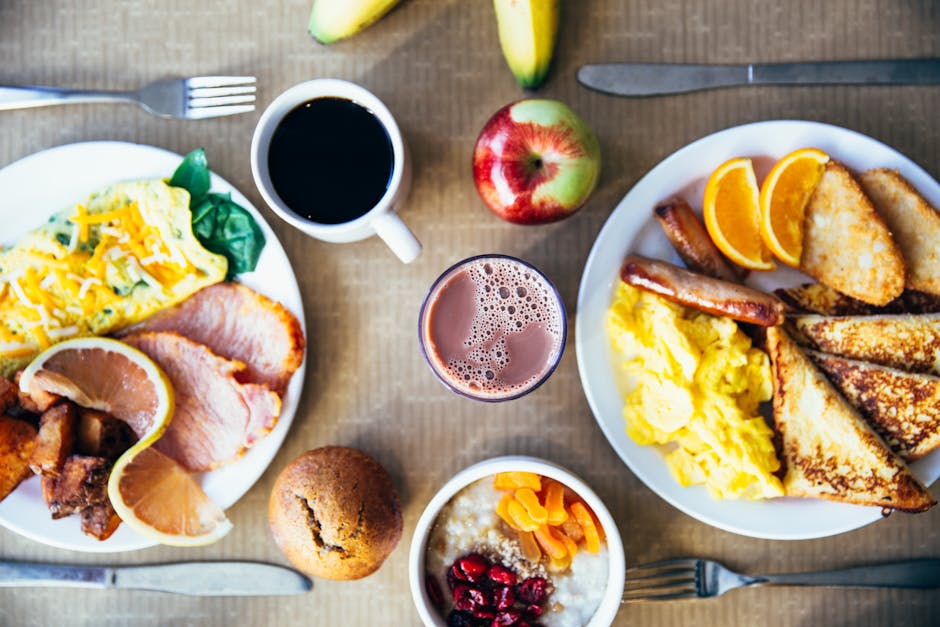
"Foodborne illnesses cause an estimated 128,000 hospitalizations and 3,000 deaths in the United States annually."
Organizations that pair cooking skills training with food safety habits, camps, WIC programs, shelters, schools, cut repeat health incidents in the households they serve. When a parent learns to set a fridge thermometer and follow it, or to use separate cutting boards, or to label and rotate leftovers, they carry that skill home. Confidence in safe storage lets families cook more meals at home instead of defaulting to fast food, cutting sodium and cost at the same time. When you learn how to store food safely, you also learn that you can feed yourself and your family well.
That's why Santiago Ybarra and educators like him focus on planning a week of healthy meals: because the storage and handling skills you practice during meal prep become automatic by the third or fourth week. You stop thinking about whether your fridge is at 40°F. You just know it is.
Simple storage upgrades that make food safety easier
Add a separate fridge thermometer and a separate freezer thermometer. Cost: $10 to $15 total. Place one in the warmest spot in your fridge (usually the door) and one in the freezer. Check both weekly. You cannot manage what you do not measure.
Switch to clear, stackable, airtight containers. Older leftovers stay visible at the back instead of hiding until they spoil. You see exactly what you have and how old it is. Label each container with a date sticker or masking tape. The FDA recommends eating refrigerated leftovers within 3 to 4 days to limit bacterial growth. Write the date so you do not have to guess.

Keep a small lidded trash bin near your prep area. Open trash bins sit next to cutting boards and collect bacteria from the air. A lidded bin seals waste away and keeps prep areas cleaner. Empty it daily so odors and pests do not accumulate.
Build food safety into every meal you serve
Food safety is a set of repeatable habits, not a one-time deep clean. Each habit above stands on its own. You do not need to master all of them at once. Start with one change this week: set a fridge thermometer and check it weekly, or switch to clear labeled containers for leftovers, or get a dedicated cutting board for raw meat. One small, consistent decision protects every person who eats from that kitchen.
We partner with camps, WIC programs, shelters, and families to build these skills through hands-on kitchen sessions where you practice washing hands, storing raw food, checking temperatures, and cooling leftovers. In those sessions, you learn why these habits matter so that you own the skill, not just follow an order. Small, consistent storage decisions compound into a kitchen culture where safety is automatic. When you step into that kitchen tomorrow, you do not have to think about whether to separate raw chicken from salad. You already know you will. That confidence protects everyone you feed.
Ready to bring this food safety practice to your organization? Bring a hands-on food safety session to your organization and see how a few hours with a trained nutrition educator shifts habits for months and years to come.