

A family of four throws out roughly a pound of usable food trim every week. Not spoiled food. Not forgotten containers that turned green. Carrot tops. Bread heels. The last two spoonfuls of rice. Leftover cooking liquid poured down the drain. None of it is rotten. None of it had to go. It went to the trash because no one had a plan for it before the trash can did.
Food waste isn't a character flaw. It's a system problem. Without a working container, a labeled freezer bag, or a single go-to recipe, trim disappears before you remember it's there. Most households lose 1-2 pounds of perfectly usable scraps every week, and that gap between intention and habit costs money.
Why food scraps end up in the trash instead of the pan
The scraps most people throw out aren't spoiled at all. They're usable trim: onion skins, celery ends, broccoli stems, stale bread, the last quarter-inch of rice, herbs that started to wilt. A household that builds a single habit, keeping one freezer bag or container that catches trim as you cook, stops that waste without spending anything extra or adding time to your day.

A scrap bag takes about 10 seconds per trim. Onion goes in. Carrot peel goes in. Herb stem goes in. Label the bag, place it in the freezer, and move on. One pound per week becomes a stack of stock, a batch of breadcrumbs, or a jar of infused oil by month's end.
The math works fast: a household that stops pitching usable trim reports noticeably lower grocery spending within about a month, especially when combined with grocery shopping strategies that avoid overbuying. You're not buying new ingredients. You're using what you already paid for.
"Most cases of home food poisoning trace back to time and temperature mistakes during storage, not to the ingredients themselves."
— CDC
The fear around leftovers and trim, that they'll turn unsafe, misses the point. Safe storage isn't mysterious. It's time and temperature, a rule covered in detail below. Once you know the 2-2-2 leftover rule, that anxiety vanishes.
What are the 7 types of food waste?
Food waste falls into seven categories: spoilage waste (food that rotted before you used it), prep trim waste (peels, cores, stems, trimmings), plate waste (food cooked but uneaten), overproduction waste (you cooked too much), pantry waste (forgotten cans and dry goods), storage waste (freezer burn, containers that got moldy), and date-label confusion waste (tossing food that's still perfectly safe because a date passed).
- Spoilage waste: food that rotted in the fridge or pantry before you could cook it
- Prep trim waste: peels, cores, stems, wilted leaves, herb ends
- Plate waste: food served but uneaten
- Overproduction waste: you cooked more than anyone ate
- Pantry waste: forgotten cans, dried goods, condiments past their prime
- Storage waste: freezer burn, spoilage in the container, moisture damage
- Date-label confusion waste: food tossed because of a "best by" date, not actual spoilage
By weight, plate waste and prep trim dominate most households. Both are fixable. Plate waste shrinks with portioning discipline. Prep trim becomes stock or compost with a single freezer bag. Many of these categories are labeled avoidable waste, meaning you have direct control over stopping them. Spoilage waste, storage waste, and severe date-label confusion all drop when you learn the storage rules and dates actually mean.
Understanding what date labels actually mean separates avoidable waste from the items that naturally shed trim. You can't avoid peeling carrots. You can avoid tossing half a head of lettuce because you misread the expiration date.
If you work with a community organization, a summer camp, youth center, shelter, or health fair, run a hands-on waste-sort activity: give kids and families a bag of yesterday's kitchen trash and have them sort it into the seven categories. Sorting reveals where losses concentrate. Most discover they're throwing out more avoidable waste than they realized.
What is the 2-2-2 rule for leftovers?
The 2-2-2 rule governs when to refrigerate cooked food, how deep to store it, and how long it stays safe. Within 2 hours of cooking (within 1 hour if the room is hotter than 90 degrees Fahrenheit), move cooked food into the fridge to stop bacterial growth. Store it in shallow containers no more than 2 inches deep so the center cools fast enough to stay safe. Eat or freeze refrigerated leftovers within 3 to 4 days; after that, toss them or transfer to the freezer.
- Refrigerate within 2 hours (1 hour if room temp is above 90°F)
- Store in shallow containers no deeper than 2 inches
- Eat within 3 to 4 days, or freeze for later
The deep-container rule matters more than most people realize. A 4-inch deep container of hot chicken rice will stay at an unsafe temperature in the center for hours while the edges cool. A 2-inch container, spread across a bigger surface area, cools all the way through in roughly 30 minutes. That speed is what stops pathogens from multiplying.
When reheating leftovers, use a food thermometer and bring everything to 165 degrees Fahrenheit at the center before eating. Cold spots harbor bacteria. A thermometer removes the guesswork.
What are creative ways to use food scraps?
Vegetable trim transforms into free stock, wilting greens become pesto, and stale bread turns into breadcrumbs without buying a box. Four techniques handle most of what lands on a cutting board.
Freeze vegetable trim, onion skins, carrot peels, celery ends, leek roots, herb stems, in a labeled quart-sized freezer bag. Once the bag fills, simmer the trim with water for 45 minutes to make a free vegetable stock. Strain it, cool it, and freeze what you don't use right away. That stock becomes soup, grains, or sauce base for beans without opening a can or a box.

Stale bread pulses into breadcrumbs in a blender in 30 seconds. Spread the crumbs on a baking sheet, toast at 300 degrees for 10 minutes until dry and crisp, and store in a jar for months. Or cube the bread and toss with oil and salt for croutons. Either one skips the box and costs nothing.
Blend wilting greens, spinach stems, kale stems, herb tops, arugula that's turned soft, into a pesto with garlic, oil, and salt or add them to a morning smoothie before they go slimy. Greens that look past their prime are perfectly safe when cooked or blended; they just look tired raw.
Simmer citrus peels with sugar and water for 20 minutes to make a simple syrup that flavors drinks, oatmeal, or desserts, or candy the peels in that same syrup and toss with sugar. Both keep for weeks in a jar. What used to go straight to compost becomes an ingredient, and they're ready to use in batch cooking on weekends.
- Freeze vegetable trim and simmer for stock when the bag fills (45 minutes, then freeze in portions)
- Pulse stale bread into breadcrumbs, toast at 300°F for 10 minutes, jar for months
- Blend wilting greens into pesto or add to smoothies before they soften
- Simmer citrus peels with sugar for simple syrup or candied peel that keeps for weeks
"Many vitamins and much of the fiber in fruits and vegetables are concentrated in or near the skin, so peels and trim still carry real nutritional value."
How other food traditions turn scraps into signature dishes

In many Indian home kitchens, potato peels, bottle gourd peels, and radish peels don't go to waste. They're spiced with mustard seed, chili, and salt, then fried or simmered into a chutney in under 15 minutes. Leftover dal gets thinned with water or buttermilk and reheated into a soup base the next day instead of being remade from scratch. Stale roti or rice fries with onions and spices into a next-day dish, a global cousin of fried-rice night. Mexican cooks transform stale tortillas into chilaquiles. Caribbean cooks turn stale bread into bread pudding or Spanish bread (pan de agua). The throughline for any household: treat yesterday's cooked food and today's trim as a starting ingredient, not garbage. Resourcefulness is baked into these traditions because it had to be.
5 ways to reduce food waste at home
The biggest cuts come from structure, not willpower. These five habits address the places where most households leak food and money.
- Plan meals around what's already in the fridge before adding new items to the grocery list. This single change cuts overbuying more than any other choice. If you have three bell peppers and two half-used containers of rice, your meal plan uses those first, not new ingredients.
- Store produce correctly to add days of shelf life. Herbs go in a water glass like a bouquet. Leafy greens go in a breathable bag or salad spinner, not the crisper's sealed plastic. Tomatoes and stone fruits stay on the counter. Berries, stone fruits that are ripe, and cooked foods go in the fridge. Potatoes, onions, and garlic stay in a cool, dark cupboard.
- Portion cooked food into single-serving containers right after cooking, while it's still hot. Keep a clearly labeled eat-this-first spot at eye level in the fridge so near-date items get used first, not pushed to the back and forgotten.
- Freeze extras before they turn. Most cooked grains, beans, sauces, and soups hold well for 2 to 3 months in the freezer. Frozen food remains safe to eat indefinitely, though quality declines over time. Label everything with the date and contents so nothing stays frozen past its prime.
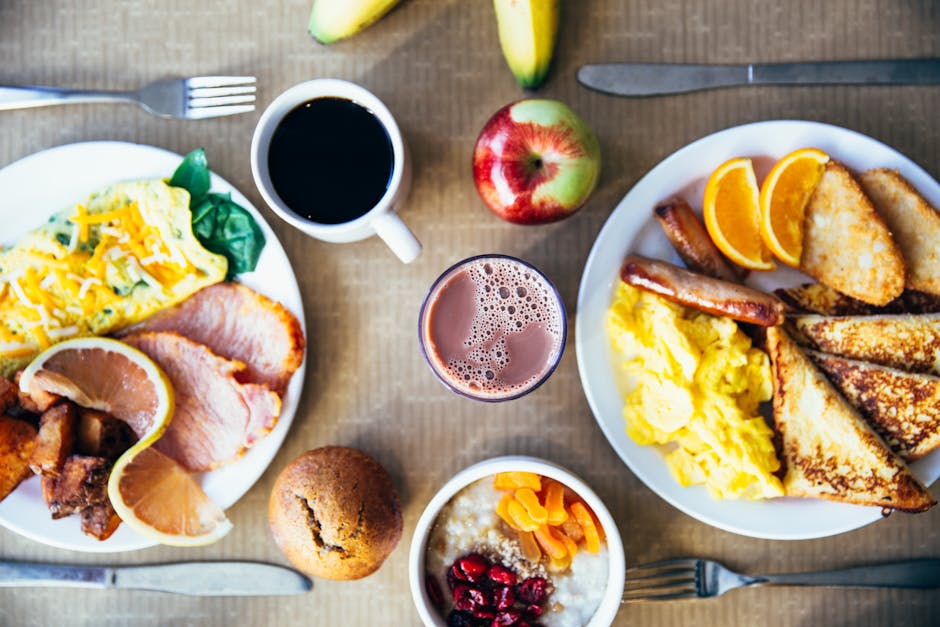
Start your meal planning for beginners process by opening the fridge and the freezer. What's already there shapes what you cook. This simple reframe stops the cycle of buying new while perfectly good ingredients go soft in the back.
Freezing is the closest thing to a magic button for waste reduction. Food stored frozen at a constant temperature remains safe to eat indefinitely, though quality declines slowly over time. What this means in practice: a cooked pot of rice from Sunday's batch session feeds you on three different nights over the next two months without spoiling. A container of leftover sauce becomes a shortcut for tacos or pasta on a night you're too tired to cook. Freezing doesn't make food taste brand new after six months, but it keeps it safe and usable far longer than the fridge.
How do you dispose of food waste at home?
For trim that you're not turning into stock or compost, and for cooked-food scraps, several paths work depending on where you live. Compost fruit and vegetable trim, coffee grounds, eggshells, and paper towels in a countertop bin, a backyard pile, or a municipal collection program. Skip meat, dairy, oil, and bones, which attract pests and slow the decomposition.
Check whether your city or county runs a curbside organics or food scrap collection program. Many municipalities now collect food waste alongside recycling and trash, usually in a separate bin. Drop the scraps in, and the city handles the rest.
Freeze scraps that aren't ready for immediate use, stock trim you haven't gotten to, bones, vegetable ends, instead of trashing them while you decide. A full freezer bag of vegetable trim costs you nothing to store and everything to waste. When the bag fills, you know exactly what to do with it.
For community organizations, a shelter kitchen, a summer camp, a health fair, a shared compost bin becomes a hands-on teaching tool. Kids and families see that scraps don't vanish; they become soil. They learn the categories: what composts, what doesn't. That bin becomes a lesson about resource cycles, not garbage.
Reduce food waste, save money, and skip the fast food run
The core habit is simple: keep one freezer bag going, follow the 2-2-2 leftover routine, and most kitchen waste disappears without extra effort or cost. For community organizations, this translates into a 15-to-20-minute hands-on session where kids sort scraps into stock, compost, and trash bins and understand that yesterday's food and today's trim become tomorrow's meal. Start this week with one scrap bag in the freezer and one eat-this-first bin in the fridge. Label them, and let them do the work. Fewer wasted groceries and ready-made leftovers on hand mean fewer nights defaulting to a fast food drive-thru, and that saving compounds fast.