

Picture a WIC classroom table in March: bruised imported tomatoes are $4.99 a pound next to asparagus that just dropped to $1.99 because it is finally in season. The produce on that table, more than the lesson plan, decides whether a healthy-eating demo feels affordable or gets written off as out of reach.
This gap between what is in season and what's shipped from thousands of miles away shapes everything about a family's food budget and eating habits. Seasonal eating is not a fancy-restaurant concept. It is the most practical tool for teaching kids and adults to eat more vegetables, spend less money, and build the kitchen skills that stick. When we align what we cook with what grows locally that month, the produce costs less, tastes better at peak ripeness, and the cooking feels effortless instead of like following an impossible recipe. Here at Healthy Living, we build our community programs around this simple idea: eat what is in season, buy it at its cheapest and most nutrient-dense point, and master one technique that works with everything on the market that week.
Seasonal eating builds real food skills and stretches every food budget
In-season produce often costs 30 to 50 percent less than the same item shipped off-season. Spring asparagus in March is a common example, available for $1.99 a pound, then jumping to $5 or more by August when it arrives from out of state. Seasonal rotation also forces variety. Kids and adults who eat the same five vegetables year-round build a narrow palate. Rotating with the seasons naturally introduces new flavors and textures week by week, making meals feel fresh instead of repetitive.
Community programs like those we run in summer camps, WIC classes, and health fairs can time their menu demos to whatever is cheapest and freshest that month. This stretches a food budget further and makes a lesson on nutrition feel achievable instead of out of reach. One decision rule works for everyone: check the sticker or state of origin on the produce. Anything grown within roughly 500 miles of where you live is almost always in season for your region.
"Only about 1 in 10 U.S. adults eat the recommended daily amount of fruits and vegetables."
— CDC
What fruits and vegetables are in season by month
Seasonality shifts by state and region, so matching a guide to your local growing zone matters more than following one national chart. Here is the breakdown by season across most of the continental United States.
- Spring (March through May): asparagus, peas, spinach, strawberries, rhubarb
- Summer (June through August): tomatoes, corn, zucchini, blueberries, watermelon, peaches
- Fall (September through November): winter squash, apples, Brussels sprouts, sweet potatoes, pears
- Winter (December through February): citrus (oranges, grapefruit), cabbage, kale, carrots, beets, and other root vegetables
One critical note: bananas and most tropical fruit are imported year-round and are not part of any U.S. growing season. They are available consistently but not because they are in season here. Produce eaten soon after harvest, at peak ripeness, retains more of its vitamin C content than produce shipped long distances or held in storage for weeks, which is why seasonal eating also means eating more of the micronutrients your body needs.
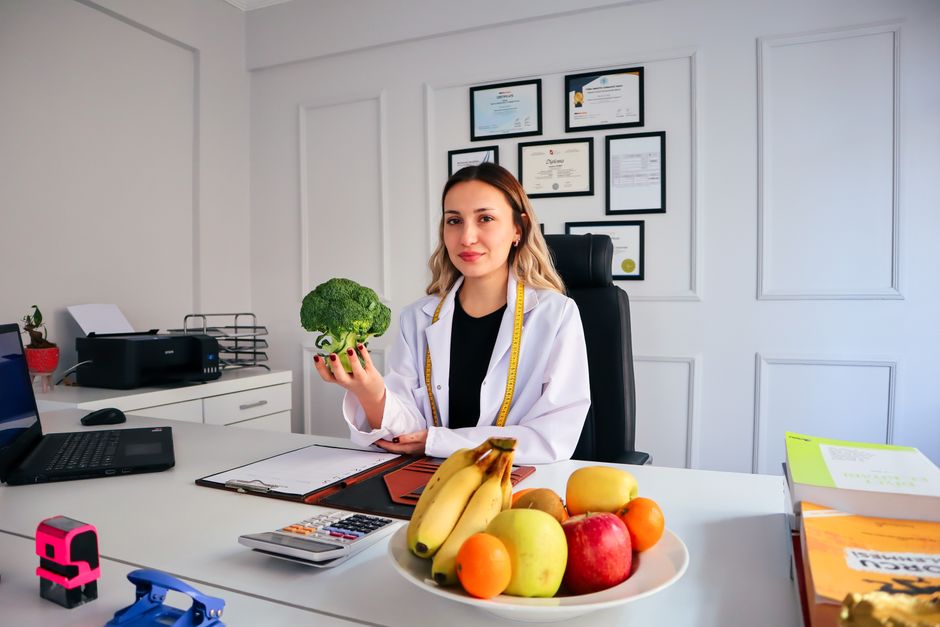
Spring plates: pan-roasted asparagus and oven-baked bacon done right
Start with asparagus, the signature spring vegetable. Trim the woody bottom inch off each spear, toss with 1 tablespoon olive oil per pound, and roast at 400 degrees Fahrenheit for 12 to 15 minutes until the tips are lightly browned. The roasting caramelizes the natural sugars, building flavor without adding salt or fat.
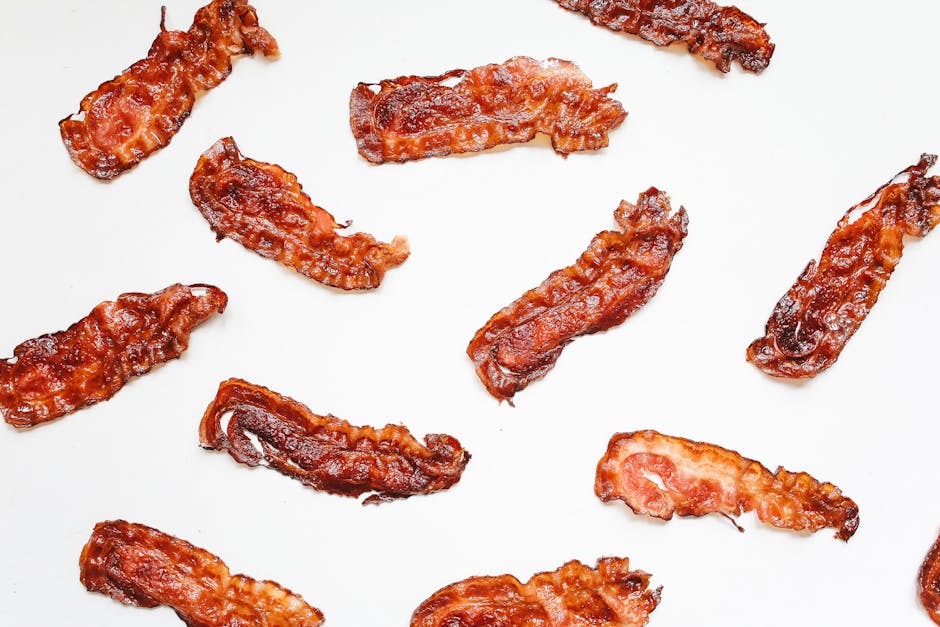
Oven-baked bacon is the technique that changes everything for a group demo or a family weeknight. Lay bacon strips flat on a parchment-lined sheet pan (called a cook out tray in professional kitchens), and bake at 400 degrees Fahrenheit for 15 to 20 minutes with no flipping. Check at the 15-minute mark for crispness. This method cooks every strip evenly and skips the stovetop splatter that makes batch cooking bacon stressful. For a group of 20 in a classroom, oven-baked bacon on a sheet pan means no one is hovering over the stove.
Pair both on one pan by adding the asparagus for the last 12 minutes of bacon cooking. You end up with a single-pan spring breakfast a family can repeat at home in under 30 minutes from start to finish.
Summer proteins: oven-baked salmon and stovetop rice as your reset button
Summer salmon is the protein that makes the biggest impact on a plate because it cooks quickly and holds flavor even when cooked at home for the first time. Pat salmon fillets dry with paper towels, season with salt and pepper, and bake at 400 degrees Fahrenheit for 12 to 15 minutes per inch of thickness until it flakes easily with a fork. Fillets thinner than 1 inch should be checked at 10 minutes so they do not dry out. Fatty fish like salmon are a source of omega-3 fatty acids linked to heart health, making it a protein worth including regularly in a balanced diet.
"Fish should be cooked to a minimum internal temperature of 145 degrees Fahrenheit to be safe to eat."
— FDA
Stovetop rice is the technique that turns this into a repeatable meal. Use a 2:1 water-to-rice ratio (2 cups water per 1 cup rice), bring to a boil, cover, and simmer on low for 18 minutes. Rest off heat for 5 minutes before fluffing with a fork. Serve rice as the base for a summer bowl, layering rice, salmon, and whatever vegetable is in season that week. As we explain in our guide to five-ingredient weeknight dinners, this bowl pattern works endlessly because one method covers every seasonal combination.
What vegetables are in season right now
The fastest way to answer this question locally is to check for a harvest date or state-of-origin label at the store. Produce grown in-state or in a neighboring state is a reliable proxy for what is in season. Farmers markets answer this question even faster because vendors only sell what they picked that week. Try a classroom or family activity: have learners guess which of five vegetables is in season this month, then check a regional chart together. This turns grocery shopping into a learning moment instead of a routine errand.
Filling half the plate with whatever vegetable is currently in season is both recommended by the CDC for optimal nutrition and the most budget-friendly way to hit that daily target.
Is there a seasonal produce guide you can actually trust
The USDA Seasonal Produce Guide is a free, government-maintained chart organized by month and region. It is a reliable starting point and requires no subscription or login. A one-page printable chart works better on a community program's kitchen wall or classroom handout than an app because it needs no login or phone access. Apps like the Seasonal Food Guide from the Natural Resources Defense Council add a zip-code search for programs that want more specificity than a printed chart.
- USDA Seasonal Produce Guide: organized by month and state, printable, free
- One-page regional chart: print once and post it in the kitchen for daily reference
- Zip-code-based app option: for precise local seasonality when teaching or meal planning
- Cross-check any source against what is actually cheapest at your store that week, since real-world pricing is the most reliable practical signal
Fall and winter staples: root vegetables, citrus, and warming grains
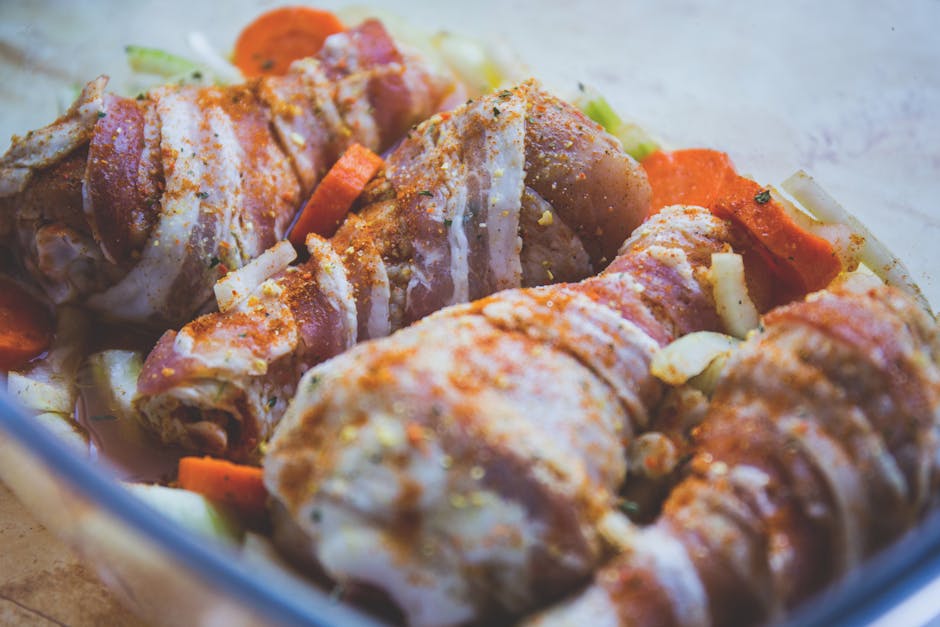
Roast a tray of root vegetables (carrots, sweet potatoes, beets) at 400 degrees Fahrenheit for 25 to 35 minutes, tossed in oil, for a hands-off side that holds up for a shared meal. Bacon-wrapped chicken thighs with roasted root vegetables on one sheet pan (same 400-degree oven, about 30 to 35 minutes) turns a fall demo into a full dinner in one pan, which is how this technique scales from a family dinner to a classroom meal for 30.
Winter citrus (oranges, grapefruit) fills the vitamin C gap once fresh summer produce is gone. Keep a bowl on the counter as the easy grab-and-go fruit so that something seasonal is the first snack a family reaches for. Root vegetables and winter squash store for weeks without refrigeration, making them the most budget-friendly buy for a family stretching a grocery trip. As we cover in our article on budget-friendly grocery strategies, buying what stores well reduces waste and extends a monthly food budget.
Store it right and keep practicing between seasons
Storage habits decide whether produce lasts three days or three weeks in a home kitchen. Practice these rules to keep seasonal abundance from spoiling into waste.
- Store leafy greens and asparagus upright in a glass of water in the fridge, like flowers, to roughly double their fridge life
- Set the crisper drawer humidity high for vegetables and low for fruit to slow spoilage on both sides of the same drawer
- Blanch extra in-season vegetables for 2 to 3 minutes in boiling water, then plunge into an ice bath and freeze them. A summer surplus becomes a January side dish
- Batch-cook a base (a tray of roasted vegetables, a pot of rice) on the weekend so the seasonal item is the only thing that changes week to week
As we detail in our guide to batch-cooking a week of meals, a weekend prep session makes weekday eating effortless. Add one seasonal vegetable to a base you have already built, and dinner is done.
Checking what is in season before every grocery run is the moment this guide shifts from a one-time lesson into a lasting habit. Pick one seasonal swap and one new technique this week. Choose one item from this month's seasonal list to buy on your next grocery trip, then practice one core technique from this guide (sheet-pan bacon, oven salmon, stovetop rice) until it takes under 30 minutes start to finish. As we explain in our article on how to build lasting food habits, small weekly choices compound into the behaviors that define a family's kitchen for years.