

You open the fridge at 6:45 on a Tuesday, tired, and the drive-through window feels like the only realistic option. That's not a willpower problem. That's a planning problem, and it's the same one nearly every family runs into when they try to swap processed food for home-cooked meals overnight. Total overhauls rarely stick, because they ask you to change every meal, every habit, and every grocery run all at once.
A gradual transition works better, and it works because it respects how habits actually form. Small, repeatable wins compound faster than a strict diet ever will, a pattern we break down more fully in our guide to building lasting food choices as a family. Instead of clearing your pantry in one weekend, you replace one processed staple at a time and let the new habit settle before you add the next one.
At Healthy Living Inc, we teach this shift in real kitchens, with families, community shelters, and summer camp kids who've never held a knife with confidence. We've watched the same pattern play out again and again: people who try to change everything at once burn out in about two weeks. People who change one meal, one shelf, or one snack at a time build habits that last for years.

What Actually Counts as Processed Food?
Processed food covers more ground than most people assume. Canned beans, frozen vegetables, and plain yogurt are technically processed too, and none of them deserve a spot on a list of foods to cut. The category that matters here is ultra-processed food: industrially formulated products built from refined starches, added sugars, preservatives, and flavor compounds you would never find in a home kitchen.
"Ultra-processed foods now account for more than half of the total calories consumed by adults, and nearly two-thirds of the calories consumed by children and adolescents, in the United States."
That distinction matters because it changes the goal. You are not trying to eliminate every food that comes in a package. You are trying to shift the balance so whole ingredients, not engineered ones, make up most of your plate.
How to Wean Yourself Off Processed Food?
Wean yourself off processed food by replacing one meal or snack category at a time, starting with the easiest swap first. Cook one dinner from scratch each week, then two, then three. Keep a short list of five simple recipes you can make without a cookbook, and build up gradually instead of clearing everything from your kitchen at once.
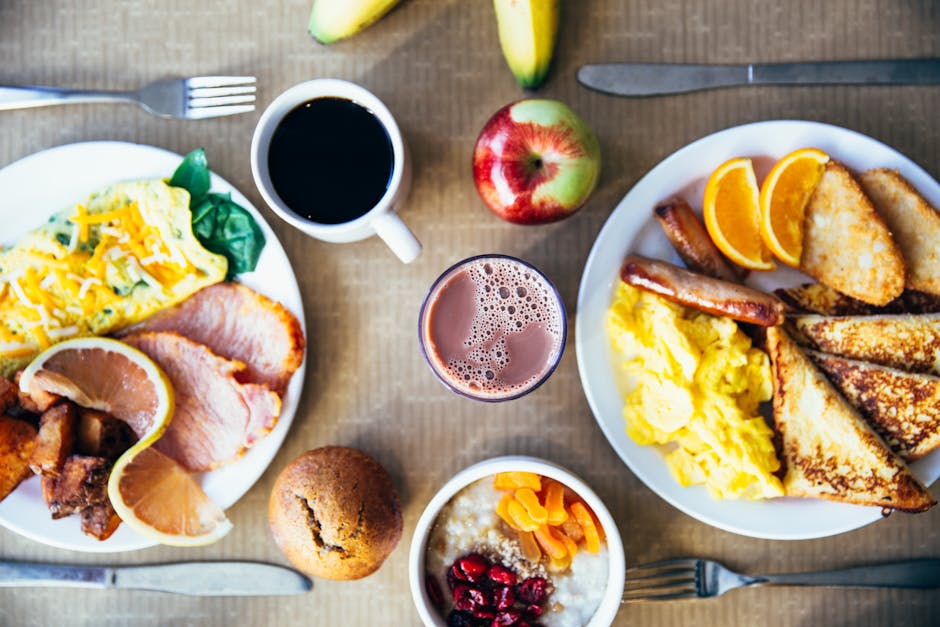
Start with breakfast or a single snack, since those are the lowest-stakes meals to rebuild. Swap flavored instant oatmeal packets for plain oats with fruit, or trade a granola bar for eggs and toast. Once that swap feels automatic, usually within one to two weeks, move to lunch, and save dinner for last, since dinner tends to carry the most emotional weight and the least free time.
Santiago Ybarra, a nutrition educator who develops hands-on cooking programs for families and community groups, puts it plainly: the goal isn't a perfect pantry, it's a repeatable Tuesday. Programs that hand people a full meal plan on day one tend to see it abandoned by day ten. Programs that teach one skill, one week at a time, tend to stick.
Reading the label is part of the skill, too. We go deeper on spotting hidden sweeteners and sodium in our guide to hidden sugars in processed foods, but the short version is this: added sugar shows up under more than 60 different names, so a food can look "unsweetened" on the front and carry a full teaspoon of corn syrup solids on the back.
What Are the 5 Most Processed Foods to Avoid First?
The five most processed foods to avoid first are the ones with the biggest gap between their homemade version and their packaged version: sugary breakfast cereal, deli meat and hot dogs, packaged snack cakes and cookies, frozen breaded meals, and bottled salad dressing loaded with stabilizers. These swap out easily, and the payoff shows up fast in energy and digestion.
- Sugary breakfast cereal, which often carries more added sugar per serving than a dessert
- Processed deli meat and hot dogs, high in sodium and nitrates
- Packaged snack cakes, cookies, and toaster pastries
- Frozen breaded meals and fried appetizers
- Bottled salad dressings and sauces thickened with gums and stabilizers
- Flavored instant noodle packets, heavy in sodium and light on protein
- Sweetened, flavored yogurt marketed as a health food
How Home Cooking Changes What Ends Up on Your Plate
Cooking at home works because it puts every ingredient decision back in your hands. A jarred pasta sauce might carry 500 milligrams of sodium per half cup, while the same sauce made from crushed tomatoes, garlic, and olive oil carries a fraction of that, because you control the salt, not a factory formula. The World Health Organization recommends adults keep sodium intake under 2,000 milligrams a day, a target that's nearly impossible to hit if most meals come from packages or drive-through windows.
Homemade meals replace junk food with dishes built from real ingredients, and in our programs we regularly see families reduce sodium by roughly 70 percent within the first month simply by cooking four or five dinners a week instead of one. Vegetable consumption often triples over the same stretch, not because anyone forced a kale smoothie on the kids, but because roasted carrots and a stir-fry are sitting on the table instead of hidden in a cupboard.

"People who cook dinner at home most nights of the week eat a healthier overall diet, consuming fewer calories and less sugar, regardless of their nutrition knowledge or income level."
Fast Food Cost vs. Eating at Home: What's the Real Difference?
Fast food is a snapshot cost we all recognize, so let's compare it meal for meal. A fast food combo runs $9 to $14 per person today, while a home-cooked dinner built around rice, beans, chicken thighs, and roasted vegetables typically runs $2.50 to $4.50 per serving, even counting pantry staples like oil and spices. Over a week of dinners for a family of four, that gap adds up to $150 or more.
How Much Does It Cost to Cook a Meal at Home?
A home-cooked meal for one typically costs between $2 and $5 depending on the protein and season, compared with $9 to $14 for a fast food combo. A whole roasted chicken, rice, and a vegetable side can feed a family of four for under $15 total, roughly a third of what that same family would spend on delivery or drive-through for one meal.
Where you shop changes the math further. Shopping the sales and store brands at a chain like Giant Food, Food 4 Less, or Food City can shave another 15 to 20 percent off a weekly grocery bill, especially on staples like rice, dried beans, and frozen vegetables that hold their nutrition and their price. Whole grains and legumes bought in bulk cost pennies per serving compared with their processed, single-serve counterparts.
None of this saves money if the kitchen itself feels intimidating, which is why we built a step-by-step path in our guide to building kitchen confidence in 30 days. Confidence with a knife and a hot pan is what turns "I should cook more" into an actual Tuesday night dinner.
Is Home Cooking Always the Right Call?
Home cooking isn't a moral test, and there are real exceptions worth naming. A rotisserie chicken from the grocery store, canned beans, frozen vegetables, and pre-washed salad greens are processed conveniences that still fit comfortably in a healthy kitchen. Families managing a new diagnosis, a newborn, or a caregiving crisis aren't failing by leaning on these shortcuts for a season. Restaurant meals have a place too, particularly cuisines built around whole ingredients from the start.
Mediterranean food and much of traditional Indian food already lean on the pattern we're describing here: lentils, vegetables, olive oil, and grilled proteins instead of fryers and syrups. A dal made with lentils, turmeric, and onions, or a Mediterranean plate of grilled fish, chickpeas, and greens, gives you most of the benefit of home cooking even when you order it out, because the ingredient list looks like a kitchen pantry instead of a food science lab. If your family already gravitates toward those cuisines, the transition to home cooking is often shorter, since the flavors and techniques feel familiar from day one.

What to Expect, Week by Week
The timeline for this transition is realistic, not instant. Most families notice easier mornings and less of an afternoon energy crash within the first one to two weeks, simply from cutting one or two processed snacks. By week four, grocery bills usually start dropping as home cooking replaces takeout two or three nights a week. By month three, the new pattern typically feels automatic rather than effortful, and both vegetable intake and cooking frequency tend to hold steady rather than backslide.
Plateaus and slip-ups are normal. A busy week where you eat fast food twice does not undo six weeks of progress. In our own programs, the families who stick with the change long term are the ones who treat a rough week as data, not failure, and go right back to the one-swap-at-a-time approach the following Monday.
Practical Tips for Making the Transition Stick
A few small structural habits make the difference between a transition that sticks and one that fades by February. These are the same tactics we teach in hands-on sessions with families and community groups, building on the fundamentals in our guide to simple cooking skills that build lifelong healthy habits.
What Is the 3-3-3 Rule for Food?
The 3-3-3 rule is a simple planning habit: plan 3 meals, with 3 ingredients each, that take no more than 3 steps to make. It lowers the mental barrier to cooking on a tired weeknight by giving you a short list of go-to dinners instead of an overwhelming recipe box.
Keep those three meals somewhere visible, like a sticky note on the fridge, and rotate them until they feel boring. Boring is good here. Boring means you've built a habit instead of a project.
Getting the rest of the household involved matters too. Kids who wash vegetables or set the table are more likely to eat what's on the plate, a pattern we unpack in our piece on building daily family meal rituals, and the same goes for partners or roommates who take on even one small task.
- Stock your pantry with five staples first: rice, canned beans, frozen vegetables, eggs, and olive oil, before you touch specialty ingredients.
- Cook double portions on the nights you do cook, and freeze half for the nights you won't feel like it.
- Keep knives sharp and within reach; a dull knife makes basic prep feel harder than it is and discourages you from cooking at all.
- Batch-roast a tray of vegetables once or twice a week; roasting retains up to 90 percent of many vitamins and gives you a ready-made side for several meals.
- Track your wins, not your failures, by noting on a calendar which nights you cooked at home.
- Give yourself one no-cook night a week on purpose, so it's a plan instead of a slip.
Breaking the processed food habit isn't about perfection, and it was never supposed to happen in a weekend. It happens one swapped snack, one roasted tray of vegetables, one shared dinner at a time, until the version of "food" your family reaches for by default has changed without anyone declaring a diet. Start with one meal this week. Let it get boring. Then add the next one.